Categoria: Cancer Research

  • Learning Planet Alliance – Impact Innovators Forum – Vittoria Pinci

    Hi everyone and welcome to my presentation for Learning Planet Festival with Learning Planet Alliance. I’m Vittoria Benchy and I’m going to be talking about my organization, PARCC, Pancreatic Awareness and Research Coalition. So a little bit about me, again, I’m Vittoria.

    My favorite hobbies are photography and biology. I don’t really know if biology can be exactly described as a hobby, but we can just leave it as that. I’ve been a photographer for almost two years at my school newspaper.
    I’ve taken many photography classes including digital and darkroom which are my personal two favorites. I’m a member of the Innovative Pitching Club and a co-leader of the Biotechnology Club. Both of these clubs are leaning towards the discussion of what we can do to advance our knowledge on biotechnology and the biology in general field.

    So a question you might be asking yourself is why am I so passionate about this topic? Why am I so passionate about medical research or pancreatic cancer research? So I’ve had a real life experience with this issue.
    My maternal grandma has died from pancreatic cancer a little bit over two years ago. I believe that since the issue has impacted me personally, it has drawn some sort of inspiration to help others and raise awareness on this specific topic. I’ve also participated in internships in the medical field and I’m also part of cancer patient care groups.

    So are you at risk of pancreatic cancer or how can you tell? What are the causes? What are the symptoms?
    So pancreatic cancer is a worldwide problem that affects mostly the elderly. Most people who suffer from this disease aren’t able to access a cure mostly because of insufficient money. We don’t really have enough tech advancements to confront this issue.

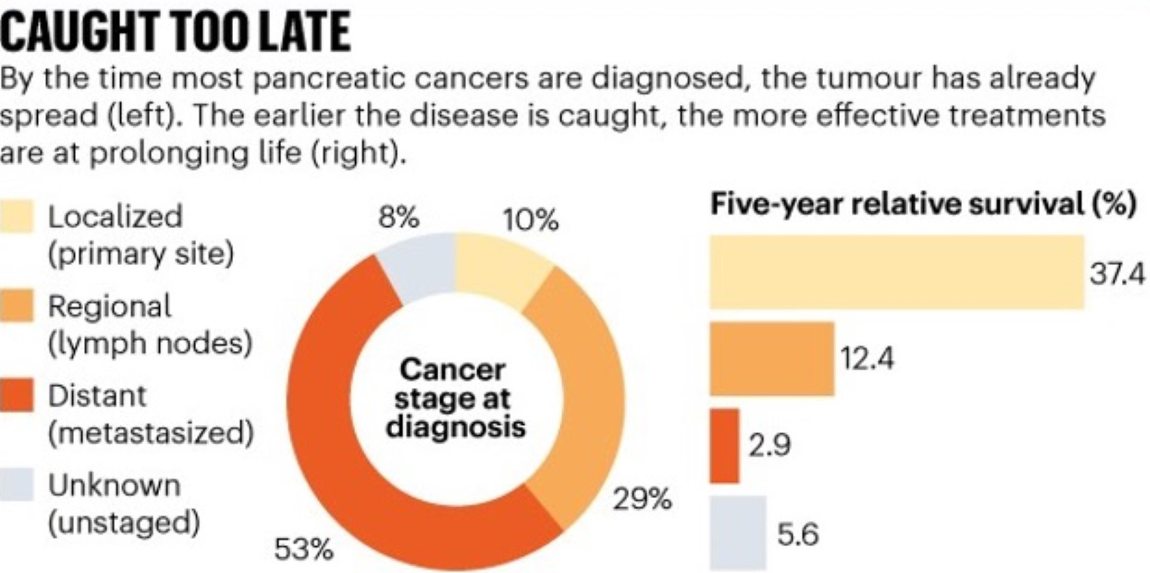
    Most of the people who are diagnosed usually find out about this disease at a really advanced stage. So our resources aren’t advanced enough to confront this disease at its most advanced stages, which is one of the major causes of the high death rates. So the causes basically start mostly in teenage lives with alcohol abuse, smoking abuse, unhealthy diets, etc.

    It can also be transferred down to your family. So if your grandfather, if your grandparents, your parents have had pancreatic cancer, it might still be in the gene and you can still be diagnosed with such disease. And 39.6% of U.S. adults are obese and this percentage is still going up nowadays, which equals to high risk of pancreatic cancer. So why is this issue so important? So talking about a worldwide scale, this is the 12th most common and deadliest cancer worldwide. We have 495,000 new cases only in 2020.

    The risk of being diagnosed is 1 to 58 in men and 1 to 60 in women and only 50% of people are diagnosed as in early stage because of as I said before, it’s a very quiet disease. It doesn’t really show until its advanced stages. Talking more about a U.S. scale, consulting this statistics, we can see that in the past 20 years, the estimated new cases and the estimated deaths for both male and females, the rates have been going up dramatically. So there’s like a really powerful need for us to make an impact and make decisions for us to lead to a better future. So for me, the solution would be to again, create an organization, and I did, PARCC. Again, it’s for Pancreatic Organism Research Coalition.

    So we are leaning towards research advocacy for increased funding and support, promotion of accessibility in clinical trials, public awareness campaigns, education initiatives for future medical professionals, collaboration with multidisciplinary teams, etc. These are all like our goals for my organization. So a little bit about our framework.

    It’s the main word would be donare. It is an Italian word, which literally means to donate. The framework would be D, donare, donate, support the cause. Every donation brings us closer to the cure. O for optimize, enhance trial access and maximize research impact. And for navigate, guide patients as they navigate throughout treatment options.

    A, advance medical knowledge through dedicated research advocacy. R for rally, rally communities to raise awareness and support for pancreatic cancer. Educate and empower communities by educating them on prevention strategies.
    So this is my team. Those are the most influential people on my organization. There’s Billy, blog manager, Amelia, research manager, paid or patient care, and then there’s me, founder and CEO of the company.

    So for the roadmap, we have three different phases, which we can hopefully reach all the way to phase three. Phase one would be the present 2024. We are creating blogs and platforms, create organizations and conferences to make ourselves known, and most importantly, fundraising.

    In two or three years, we will pass on to step two, phase two, which is raise awareness throughout my now work, my past work. Advance knowledge, my own and of others for me to pass on to others. Empower with possibilities of tackling this certain issue.

    In phase three, which would be in another five to seven years, I will become a cancer researcher. I will have hands-on cancer research. I will hopefully work in lab to contribute advancements for this cure, to create more cures and to help others and connect with experts.

    So what is our main goal? Our main goal would be to extend lifespan throughout early detection. So for even though the percentage is really, really low, for those patients who do get diagnosed with this disease at early stages, we want to extend their lifespan and make their lives better.

    Improve quality of life, as I just said, improve quality of life for patients mentally and physically. As we know, this very deadly disease can affect patients both mentally and physically. Reduction in pancreatic cancer morality rates.

    This is pretty obvious. We want to get the morality rates more down. Empower communities throughout awareness.
    We can share our knowledge to patients and to other people and whoever is interested in this topic and elevate understanding collaboration in medicine. Thank you so much for listening for us, for my organization. The most important thing is awareness that needs to be spread more and more every day to help more patients consult an expert checkup on their physical health.

    We need more people to go and get more checkups on their medical advisor or their family care to get take care of your health physically, mentally. If you’re interested in joining us, I put below my contact info. The more we are, the merrier.
    Of course, I want to share my knowledge with other people. Thank you so much.

  • Pancreatic Cancer Treatment and Outcomes

    Treatment of pancreatic cancer is divided into two approaches, curative and non-curative or palliative. Curative treatment is possible for localized tumors which are amenable to surgical removal. Most pancreatic cancers are in the head of the pancreas.

    Tumors in the head of the pancreas are removed using a surgery known as the Whipple procedure. In this surgery, the head of the pancreas, the distal bile duct and some of the small intestine are removed. It also involves some reconstructive surgery.

    A Whipple procedure is a major surgery that takes 3 to 5 hours and typically requires a 7 to 10 day hospital stay. The operation is best performed by specialized surgeons. If the tumor is in the body or tail of the pancreas, a distal pancreatectomy surgery is performed to remove these parts of the pancreas, as well as the spleen and sometimes part of the stomach.

    Very rarely, in the case of large or multiple tumors, the entire pancreas is removed, together with the gallbladder, part of the bile duct, the duodenum and part of the stomach and spleen. Reconstructive surgery is then performed. Following surgery, chemotherapy is given to help destroy any remaining cancer cells in the body.

    Radiation treatment may also be used to target remaining cancer cells in the pancreas. Recovery after surgery can be slow. Following a Whipple procedure, the stomach empties more slowly, which can result in nausea, vomiting, feeling full quickly and poor nutrition.

    However, this improves over time. As well, infections and leakage of pancreatic juices are common during the healing process. Weight loss over the first 3 to 4 weeks following surgery is typical. If the tumor is not operable, then treatment is non-curative, or palliative, in intent. Rather than attempting to cure the disease, the goal of treatment is control of the disease, extension of life, symptom relief and maintaining quality of life. Chemotherapy and radiation may be used to slow progression of the cancer, and medication to manage pain is common.

    Long-term outcomes following curative treatment vary immensely. Even after successful surgery, chemotherapy and radiation, pancreatic cancer returns in most cases. Between 15 to 40% of people who undergo surgery live for 5 years or more. However, on average, the cancer returns in about a year, and survival is between 1 to 2 years post-treatment. Nutrition is important in both curative and palliative treatment plans. Decreased appetite and feeling full early are common.

    As well, the pancreas loses its ability to work well. This may affect how nutrients are absorbed from food, and its ability to regulate blood sugar. To help maintain weight and nutrition, the treatment plan may include pancreatic enzyme replacement therapy, PERT, nutritional supplements and appetite stimulants. Dietary changes to reduce the amount of fat in the diet may also be recommended, as well as increased frequency of small meals or snacks. Sottotitoli creati dalla comunità Amara.org

  • Advancements in Pancreatic Cancer Research

    Advancements in Pancreatic Cancer Research

    One analysis projects that pancreatic cancer will surpass breast, prostate, and colorectal cancers as the leading cause of cancer-related death in the US by the year 2030 2. These estimates highlight the urgent need for new and innovative treatment options for patients with this deadly disease. Indeed, numerous efforts are under way to alter the disease course in order to keep pace with the improved outcomes seen in other malignancies. The aims of this review are to highlight these advancements and to revisit the historical basis for current treatment options in pancreatic ductal adenocarcinoma (PDAC).

    Chemotherapy

    Chemotherapy remains a cornerstone of treatment for PDAC in all stages of disease. Recent data and US Food and Drug Administration (FDA) approvals are divided into three major treatment categories: adjuvant, unresectable/metastatic, and neoadjuvant/induction treatments.

    Unresectable/metastatic disease

    Many of the cytotoxic regimens discussed previously were first studied in patients with metastatic disease. The ACCORD trial, published in 2011, compared FOLFIRINOX with gemcitabine in metastatic PDAC (mPDAC), resulting in mOS rates of 11.1 months in the triplet arm and 6.8 months with monotherapy (HR 0.57, 95% CI 0.45–0.73; P <0.001) 8 and leading to a new standard of care for patients with advanced disease with a good performance status.

    The MPACT trial, published in 2013, evaluated G/A in mPDAC, finding improved mOS rates of 8.5 months in the combination arm and 6.7 months with gemcitabine alone (HR 0.72, 95% CI 0.617–0.835; P <0.001) 9, again adding a new regimen to the standard-of-care options for patients with advanced disease. In 2015, the NAPOLI-1 trial compared 5-FU/nanoliposomal irinotecan (nal-IRI) with either drug as monotherapy in metastatic PDAC previously treated with gemcitabine 10.

    In this phase III randomized controlled trial (RCT), 417 patients were enrolled. The mOS rates were 6.1 months in the combination arm and 4.2 months in the 5-FU arm (HR 0.67, 95% CI 0.49–0.92; P = 0.012). Of note, mOS in the nal-IRI arm was 4.9 months.

    This regimen is currently listed as category 1 in the second-line setting for metastatic disease by the National Comprehensive Cancer Network (NCCN) 11 and is important as a rare randomized trial in this setting, especially one demonstrating the potential benefit of salvage chemotherapy in a difficult-to-treat patient population.

    Most recently, the combination of gemcitabine, nab-paclitaxel, and cisplatin was tested in a phase Ib/II trial in metastatic PDAC with a primary endpoint of complete response rate (CRR) (25% needed for significance) 12. Although this benchmark was not met (CRR 8%), the triplet did yield an overall response rate (ORR) of 71% and mOS of 16.4 months (95% CI 10.2–25.3). The triplet continues to be tested in the neoadjuvant setting and in advanced biliary cancer.

    Although cytotoxic chemotherapy is responsible for the largest survival advantages seen in the metastatic setting, novel agents are actively being investigated.

    Pegvorhyaluronidase alfa (PEGPH20), which degrades hyaluronan in the extracellular matrix, was the subject of much interest in recent years until development was ceased in late 2019 by Halozyme Therapeutics.

    Although phase II data showed an improvement in progression-free survival (PFS) when combined with G/A 13, the triplet failed to meet its primary endpoint of OS in a phase III placebo-controlled RCT (11.2 versus 11.5 months, HR 1.00; P = 0.9692) 14. AVENGER 500 (ClinicalTrials.gov Identifier: NCT03504423) is a phase III RCT investigating modified FOLFIRINOX with or without CPI-613 15, a tricarboxylic acid cycle inhibitor. Accrual should be complete by mid-2020, and results are highly anticipated after showing promise in the phase I setting (ORR 61%, CRR 17%) 16.

    Neoadjuvant and induction treatment

    Since establishing the efficacy of chemotherapy in the adjuvant setting and advanced disease, its movement into the pre-operative space has been a logical progression.

    The rationale behind this includes potentially increasing the R0 resection rate, administering more therapy prior to surgery when it is better tolerated, and providing time to evaluate the biology of a patient’s individual disease.

    In addition, as criteria for resection change and procedures become more extensive, conversion or downstaging therapy with chemotherapy in the borderline resectable pancreatic cancer/locally advanced pancreatic cancer (BRPC/LAPC) space is becoming commonplace.

    Multiple institutional and small multi-center trials have been conducted to determine the optimal chemotherapy regimen or utility of radiation (or both) in this space, although currently there is no established standard of care in this arena. The spectrum of radiographic staging and sequence of treatment in these trials can make extrapolation into common clinical practice difficult.

    Several ongoing trials are investigating pre-operative chemotherapy for upfront resectable PDAC. One such study is the phase II/III Prep-02/JSAP-05 (UMIN000009634), which compared gemcitabine/S1 followed by resection with upfront surgery, and OS was its primary endpoint 17.

    The mOS rates were 36.7 months in the chemotherapy arm and 26.6 months with upfront surgery alone (HR 0.72, 95% CI 0.55–0.94; P = 0.015). Resection rate, R0 rate, and morbidity were similar between the two arms. Further studies should be performed in this space to inform generalization to the broader PDAC population.

    Current practice for many institutions in the US for fit patients with borderline resectable PDAC is neoadjuvant modified FOLFIRINOX with consideration of radiation therapy (RT) followed by resection if appropriate.

    This stems from the phase I single-arm ALLIANCE trial A021101 (published in 2016), in which patients who received the above regimen achieved an mOS of 21.7 months (95% CI 15.7–not reached) and a 68% resection rate (95% CI 49–88%) 18. The confirmatory trial is ongoing (A021501, discussed below).

    NEOLAP (ClinicalTrials.gov Identifier: NCT02125136) is the first randomized trial comparing FOLFIRINOX and G/A in LAPC. In that study, patients were given two cycles of G/A induction and then randomly assigned to either two additional cycles of G/A or four cycles of FOLFIRINOX.

    Final results presented at the European Society for Medical Oncology annual congress in 2019 were notable for conversion rates of 30.6% for G/A and 45.0% for FOLFIRINOX, although this difference was not considered statistically significant (odds ratio 0.54, 95% CI 0.26–1.13; P = 0.135) 19.

    The highly anticipated phase II SWOG 1505 (ClinicalTrials.gov Identifier: NCT02562716) trial moves the comparison of G/A with FFX entirely into the upfront resectable setting with a “pick the winner” design using 2-year OS as the primary endpoint 20. Other ongoing studies will add to the growing body of evidence in this arena. NEONAX (ClinicalTrials.gov Identifier:

    NCT02047513), a phase II randomized study, has recently completed accrual. That trial compares two pre-operative and four post-operative cycles of G/A with six cycles of adjuvant G/A.

    Radiation

    Evidence regarding the role of RT in pancreatic cancer has been conflicting, although its use has been of great interest. Cross-trial comparisons are even more difficult with RT given that the dose and mode of radiation delivery have changed over the years.

    LAP07 was one of the largest randomized trials to evaluate the role of gemcitabine and erlotinib with or without chemoradiation in LAPC. The trial was stopped early for futility as no significant survival difference was noted between the chemoradiotherapy- and chemotherapy-alone arms 21.

    Few definitive practice-changing trials have been conducted recently, but two studies hoping to clarify the role of RT in this space are ongoing. The ALLIANCE trial A021501 (ClinicalTrials.gov Identifier: NCT02839343) is comparing neoadjuvant FOLFIRINOX followed by stereotactic body RT (SBRT) with FOLFIRINOX alone followed by resection (if possible) in borderline resectable PDAC 22.

    Interestingly, the radiation arm has since closed because of futility. Results of the interim analysis have yet to be reported but will be an intriguing addition to an ongoing discussion.

    The PREOPANC-1 (NTR3709) trial is a phase III RCT comparing upfront resection to gemcitabine-based chemoradiation followed by resection, and both arms are receiving adjuvant gemcitabine.

    Though preliminary, data suggest an improved OS (17.1 versus 13.5 months, HR 0.71; P = 0.047) and R0 resection rate (65% versus 31%; P <0.001) with pre-operative chemoradiation compared with chemotherapy alone 23.

    In 2019, the American Society for Radiation Oncology released new guidelines for the treatment of pancreatic cancer 24. These recommended the consideration of conventionally fractionated RT or SBRT in high-risk adjuvant settings, as neoadjuvant downstaging for BRPC/LAPC, and for LAPC as part of definitive treatment, all admittedly with low to moderate quality of evidence.

    It should be noted that in contrast to other data presented regarding efficacy of chemotherapy in PDAC, the use of radiation is not founded on solid evidence as of yet.

    Immunotherapy

    PDAC has been largely excluded from the recent success stories in the field of immunotherapy (IO) relative to many other malignancies. Single- and double-agent IO, as well as combinations with cytotoxic chemotherapy and radiation among others, have been studied but have not shown meaningful clinical benefit 25.

    There are multiple hypotheses for the underlying mechanism of resistance to IO in PDAC. These include a lack of effector cells in the tumor microenvironment combined with an immunosuppressive infiltrate, dense stroma impairing migration of effector cells, and immune checkpoint signaling 26.

    Many studies are under way to discover the key to overcoming these barriers. It is important to highlight that IO, though used in many other malignancies, is not approved for the treatment of PDAC outside of clinical trials.

    Currently, the only exception to this is in PDAC with microsatellite instability (MSI). In May 2017, the FDA granted its first tissue/site-agnostic approval to pembrolizumab for the treatment of MSI-high or deficient mismatch repair (dMMR) solid tumors on the basis of data from five single-arm trials.

    One enrolled 86 patients, including eight patients with PDAC 27. That study had co-primary endpoints of immune-related PFS and ORR. In the intention-to-treat population, the ORR was 53% (95% CI 42–64%) and PFS rates at 1 and 2 years were 64% and 53%, respectively.

    Among patients with PDAC, the ORR was 62%, and two patients (25%) achieved a complete response. Updated results from the KEYNOTE-158 study are less promising. Among 22 patients with PDAC, the ORR was 18.2%, the median PFS (mPFS) was 2.1 months, and the mOS was 4.0 months 28.

    Targeted therapy

    Recent large-scale molecular profiling efforts have attempted to uncover genomic subtype prevalence and corresponding therapeutic relevance in PDAC. One such effort found that 14% of evaluated patients harbored mutations (either germline or somatic) in BRCA1, BRCA2, and PALB2 29.

    Similarly, initial results from the Know Your Tumor initiative showed that 27% of evaluated patients had highly actionable mutations, which when paired with matched therapy resulted in a longer mPFS than that of patients without matched therapy 30.

    A number of other genes are frequently mutated in PDAC ( KRAS, TP53, CDKN2A, SMAD4, MLL3, TGFBR2, ARID1A, and SF3B1) but as of yet do not have therapeutic indications though may provide detail on prognosis 31.

    Neurotrophic receptor tyrosine kinase ( NTRK) gene fusions have been found in a small fraction of PDAC, and some estimates are as high as 6% 32. Current options for targeted treatment in PDAC are discussed below.

    NTRK fusions

    There are two new treatment options for patients found to have fusion proteins in the NTRK gene detected by next-generation sequencing or fluorescence in situ hybridization.

    Larotrectinib 33 was granted accelerated approval in November 2018 on a tissue-agnostic basis for unresectable or metastatic solid tumors harboring the gene fusion.

    This approval was based on data from three single-arm clinical trials: LOXO-TRK-14001, SCOUT, and NAVIGATE 34. In total, 55 patients (children and adults) were enrolled between the trials.

    At the time of assessment, the primary endpoint of ORR was 75% (95% CI 67–90%) and the mPFS had not been reached after a median follow-up duration of 9.9 months. It should be noted that only one patient with pancreatic cancer was included, although that person was among the responders.

    The drug was generally well tolerated; grade 3 and higher adverse events (AEs) occurred in less than 5% of patients. The most common side effects were aspartate aminotransferase/alanine aminotransferase (AST/ALT) abnormalities, fatigue, and vomiting.

    Entrectinib 35 was granted accelerated approval for the same indication in August 2019 on the basis of three additional single-arm trials: ALKA-372-001, STARTRK-1, and STARTRK-2 36. Between the two phase I studies, 60 patients harboring a gene rearrangement in NTRK, ROS1, or ALK were enrolled. Given their early phase, only preliminary efficacy data are available, but in the three evaluable patients with NTRK fusions, the ORR was 100% (95% CI 44–100%), although none had PDAC. The phase II study (STARTRK-2) is under way. The most common side effects were fatigue, dysgeusia, and parasthesias.

    Homologous recombination deficiency

    Mutations in homologous recombination deficiency (HRD) genes (including BRCA1/2) have been correlated with defective DNA repair 29. Given the inherent genomic instability in this setting, various interventions to exploit this and induce apoptosis have been studied in PDAC.

    Patients with germline mutations in BRCA1/2 appear to have an increased sensitivity to platinum agents 37, and the NCCN recommends treatment of this subpopulation with gemcitabine plus cisplatin in locally advanced and metastatic disease 11.

    A more recent mechanism to leverage this pathway involves poly(adenosine disphosphate-ribose) polymerase (PARP) inhibition. The POLO trial was a phase III RCT evaluating olaparib (a PARP inhibitor) maintenance versus placebo in patients with metastatic PDAC and germline BRCA1/2 mutations whose disease did not progress after first-line platinum-based chemotherapy 38.

    The primary endpoint was PFS. mPFS rates were 7.4 months in the treatment arm and 3.8 in the control arm (HR 0.53, 95% CI 0.35–0.82; P = 0.004) but this did not equate to an OS advantage during the interim analysis (mOS 18.9 versus 18.1 months, respectively; HR for death, 0.91; 95% CI 0.56–1.46; P = 0.68).

    Rates of grade 3 and higher AEs were 40% in the treatment group and 23% in the placebo group, and the most common AEs were fatigue, nausea, diarrhea, and abdominal pain. In December 2019, the FDA approved olaparib for use in those who had germline BRCA1/2 mutations, a good performance status, and no disease progression after at least 4 to 6 months of chemotherapy.

    Further studies are ongoing with novel drug combinations targeting a wider range of DNA damage repair pathways in PDAC.

    Summary

    Patients with pancreatic cancer today have increased options for treatment relatively speaking, but survival for this disease is dismal and falling behind in a rapidly advancing field.

    Clinical trial design must evolve to address this need, and trial participation should be considered whenever possible. Established questions such as the role of radiation in pancreatic cancer and the precise populations that will benefit remain unanswered.

    New issues regarding resistance to IO and the role of targeted therapy have also been presented. Progress is being made, however, from pharmaceutical innovation to an increasing number of studies including the elderly and those with a poor performance status and refractory disease. With such efforts, there is hope that more effective treatment strategies are within reach.
  • The Importance of Early Detection in Pancreatic Cancer

    The Importance of Early Detection in Pancreatic Cancer

    Why Is Early Detection Important?

    Patients whose disease is diagnosed in its early stages have better outcomes. This is due to access to more treatment options, including surgery.

    For eligible patients, surgery is the best option for long-term survival of pancreatic cancer. It can increase a patient’s survival by about ten-fold. But most patients are diagnosed at later stages and cannot have surgery.

    In addition, although 15-20% of pancreatic cancer patients may be eligible for surgery, data shows that up to half of those patients are told they are ineligible. The Pancreatic Cancer Action Network strongly recommends you see a surgeon who performs a high volume of pancreatic surgeries (more than 15 per year) to determine eligibility.

    Ways to find pancreatic cancer in the earliest stages are urgently needed. The Pancreatic Cancer Action Network, other advocacy organizations and the scientific community are working to find pancreatic cancer earlier through:

    • Awareness of symptoms
    • Efforts to improve imaging
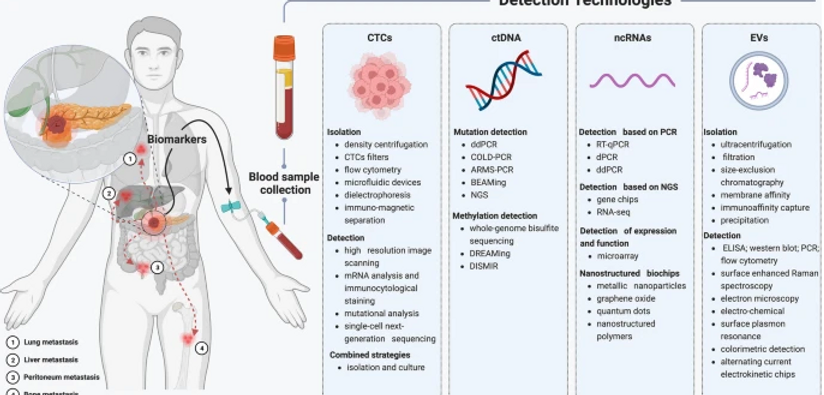
    • Studies focused on biomarkers (biological clues) that could help doctors diagnose, monitor and treat the disease
    • Efforts to improve how people at high risk are found and monitored

    Why Is Pancreatic Cancer Hard to Find Early?

    • The pancreas is deep in the abdomen. Doctors usually cannot see or feel the tumor during a physical exam.
    • Pancreatic cancer symptoms are not always obvious and usually develop over time.
    • Tests used to diagnose pancreatic cancer do not always detect small lesions, pre-cancers or early-stage cancers well.
    • Researchers have had a hard time figuring out which people to screen. Broad screening can cause medical, emotional and financial challenges.
    • Doctors use several tests to diagnose pancreatic cancer, but there is no standard, single test.
  • Understanding Pancreatic Cancer: Causes, Symptoms, and Treatment

    hat is pancreatic cancer?

    Pancreatic cancer occurs when malignant cells develop in part of the pancreas. This may affect how the pancreas works, including the functioning of the exocrine or endocrine glands. Pancreatic cancer can occur in any part of the pancreas, but about 70% of pancreatic cancers are located in the head of the pancreas.
    Exocrine tumours make up more than 95% of pancreatic cancers. The most common type, an adenocarcinoma, starts in the cells lining the pancreatic duct.
    About 5% of pancreatic cancers are pancreatic neuroendocrine tumours (NETs). These start in the endocrine cells.
    It is estimated that more than 4,500 people were diagnosed with pancreatic cancer in 2023. The average age at diagnosis is 72 years old.
    Pancreatic cancer is the eighth most commonly diagnosed cancer in Australia, and it is estimated that one in 70 people will be diagnosed by the time they are 85.

    Pancreatic cancer signs and symptoms

    Early-stage pancreatic cancer rarely causes symptoms. Symptoms often only appear once the cancer is large enough to affect nearby organs, or has spread.
    Symptoms can include:
    • pain in the abdomen
    • loss of appetite
    • nausea and vomiting
    • weight loss
    • change in bowel habit including diarrhoea, constipation or the feeling of incomplete emptying
    • jaundice (yellowish skin and eyes, and dark urine)..
    Less common signs include:
    • severe back pain
    • onset of diabetes (10-20% of people with pancreatic cancer develop diabetes).

    Causes of pancreatic cancer

    Some factors that can increase your risk of pancreatic cancer include:
    • smoking tobacco
    • age – most cases occur in adults over the age of 60
    • diabetes, particularly newly diagnosed diabetes
    • a family history of pancreatic, ovarian or colon cancer
    • chronic pancreatitis
    • excessive alcohol consumption
    • obesity.

    Diagnosis of pancreatic cancer

    Tests to diagnose pancreatic cancer include:

    Blood tests

    Blood tests are used to check your general health and how your kidneys and liver are functioning.

    Ultrasound

    An ultrasound uses soundwaves to show the pancreas and surrounding area to see if a tumour is present.

    CT scan

    A CT (computerised tomography) scan uses x-rays to take multiple pictures of the inside of the body.

    MRI

    An MRI (magnetic resonance imaging) scan using magnetic waves to create a detailed image of the pancreas and surrounding organs.

    PET scan

    A PET (positron emission tomography) scan highlights any tumours present by injecting a small amount of radioactive substance.

    Tissue sampling tests

    Tissue sampling tests including fine-needle aspiration (needle biopsy), endoscopy and laparoscopy.
    The tests you have will depend on the symptoms, type and stage of the cancer.

    After a diagnosis of pancreatic cancer 

    After being diagnosed with pancreatic cancer, you may feel shocked, upset, anxious or confused. These are normal responses. A diagnosis of pancreatic cancer affects each person differently. For most it will be a difficult time, however some people manage to continue with their normal daily activities.

    You may find it helpful to talk about your treatment options with your doctors, family and friends. Ask questions and seek as much information as you feel you need. It is up to you as to how involved you want to be in making decisions about your treatment. 

    Treatment for pancreatic cancer

    Staging

    Imaging and tissue sampling tests (above) are used to determine the stage of the cancer. The staging system used for pancreatic cancer is the TNM system, which describes the stage of the cancer from stage I to stage IV.

    Types of treatment

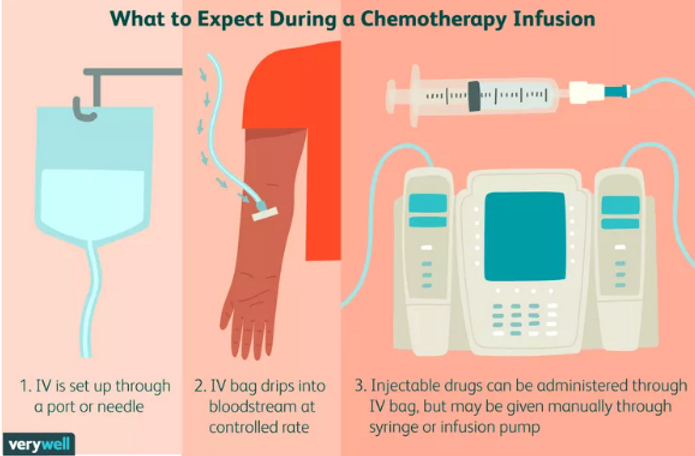
    Treatment for pancreatic cancer may include surgery, endoscopic treatment, chemotherapy or radiation therapy, or a combination of these treatments.

    For early disease, surgery is the most common treatment – usually the Whipple operation, which is the removal of part of the pancreas, the first part of the small bowel (duodenum), part of the stomach and the gall bladder, and part of the bile duct.

    For advanced pancreatic cancer, surgery may not be possible. Treatment is often to relieve symptoms such as pain and digestive problems.

    Palliative care

    In some cases of pancreatic cancer, your medical team may talk to you about palliative care. Palliative care aims to improve your quality of life by alleviating symptoms of cancer without aiming to cure it.

    As well as slowing the spread of pancreatic cancer, palliative treatment can relieve pain and help manage other symptoms. Treatment may include radiotherapy, chemotherapy or other drug therapies.

    Treatment Team

    Depending on your treatment, your treatment team may consist of a number of different health professionals, such as:

    • GP (General Practitioner) – looks after your general health and works with your specialists to coordinate treatment.
    • Gastroenterologist – specialises in diseases of the digestive system.
    • Endocrinologist- specialises in diagnosing and treating disorders of the endocrine (hormonal) system.
    • Pancreatic surgeon- specialises in surgery to the liver and pancreas.
    • Radiation oncologist – prescribes and coordinates radiation therapy treatment.
    • Medical oncologist – prescribes and coordinates the course of chemotherapy.
    • Cancer nurse – assists with treatment and provides information and support throughout your treatment.
    • Other allied health professionals – such as social workers, pharmacists, and counsellors.

    Screening for pancreatic cancer

    There is currently no national screening program for pancreatic cancer available in Australia.

    Preventing pancreatic cancer

    People with certain risk factors are more likely to develop pancreatic cancer. Not smoking or quitting smoking reduces your risk. Smokers are two to three times more likely to develop pancreatic cancer. Other known risk factors are listed above.

    Prognosis for pancreatic cancer

    Prognosis means the expected outcome of a disease. You will need to discuss your prognosis and treatment options with your doctor, but it is impossible for any doctor to predict the exact course of your disease. Test results, the type, stage and location of the cancer; and other factors such as your age, fitness and medical history are all important when working out your prognosis.

    Most pancreatic cancers are not found until they are advanced as symptoms can be vague or go unnoticed. If the cancer is diagnosed early and can be surgically removed, the prognosis can be better. 

  • Emerging Technologies in the Diagnosis and Treatment of Pancreatic Cancer

    Emerging Technologies in the Diagnosis and Treatment of Pancreatic Cancer

    When it comes to long-term survival of pancreatic cancer, early detection is critical as it opens the door to the best option for a positive outcome – surgery.  Undergoing surgery can increase a patient’s survival by almost ten-fold. But most people (80%) are diagnosed at later stages, after the disease has spread to other organs, making it more challenging to treat.

    So how do we find pancreatic cancer earlier? For other types of cancer, standard screening tests like mammograms and colonoscopies have greatly increased survival. Unfortunately, there is still no standard test to find pancreatic cancer early in people at risk for the disease.
    PanCAN – and researchers around the globe – are working hard to change that reality and progress is being made. Recent developments like blood tests, improved imaging techniques and artificial intelligence are generating excitement for their potential to detect pancreatic cancer early and save lives.
    Read more about the newest science behind pancreatic cancer early detection, including what to know now and what may be coming in the not-too-distant future.

    Blood Tests

    What to Know Now: Commercial blood tests are one tool to help detect pancreatic cancer at an earlier stage. These tests detect certain markers or compounds in the blood that may suggest cancer is present. Several now on the market are multi-cancer tests, like the Galleri test from GRAIL and OneTest™, a multi-cancer test from 20/20 GeneSystems that looks for certain proteins that may signal the presence of cancer.
    The Avantect Pancreatic Cancer Test from ClearNote Health focuses specifically on pancreatic cancer. It uses a blood sample to detect a biomarker called “circulating free DNA.” A negative test result means that this biomarker has not been detected. A positive test result means that this biomarker was detected, which could mean a person has pancreatic cancer, or other conditions such as pancreatitis or intraductal papillary neoplasms (IPMNs, a type of cyst of the pancreas).
    It’s important to note that a blood test cannot say with certainty whether a person has pancreatic cancer. Follow-up testing such as imaging and a biopsy are necessary. Since many blood tests are expensive and not always covered by insurance, the first step is to have a conversation with your doctor about your risk factors and whether a blood test would be helpful.
    What’s Next: Additional pancreatic cancer-specific and multi-cancer blood tests are being tested in clinical trials. Tests to detect pancreatic cancer using saliva and urine are also being developed, although these studies are in the early phases. It is doubtful that one marker alone will be able to reliably diagnose all types of pancreatic cancer. It is more likely that a group, or panel, of many markers will be combined to create an accurate test in the future. With continued research, improved technology and increased funding, researchers predict that significant advances in the early detection of pancreatic cancer will be made in the next few years.
    Download our conversation guide to help you understand your risk and identify your symptoms. All you need to do is print it, fill it out and start a conversation with your care team.

    Genetic Testing and Surveillance

    What to Know Now: If you are a first-degree relative (parent, sibling, child) of someone diagnosed with pancreatic cancer, you may have an increased risk of developing the disease. If your family member received genetic testing for inherited mutations and none were found, this often means you do not need to get genetic testing. If the results were positive, unknown, or if you have several close family members with cancer, PanCAN recommends consulting with a genetic counselor to determine if genetic testing would be appropriate. If a genetic risk factor is uncovered, one option may be surveillance, where doctors monitor at-risk individuals with a goal to diagnose pre-cancerous lesions and pancreatic cancer early through regular imaging and other tests.

    What’s Next: Not only are high-risk individuals in surveillance programs receiving leading-edge health care, they are also advancing science. Studies have shown that people at higher risk who participate in surveillance studies have better outcomes, since their cancer can be caught earlier. These studies provide a wealth of information about who is at risk, what genes are most involved in developing pancreatic cancer and the best methods for early diagnosis and treatment.

    Surveillance studies throughout the country enroll people at high risk. Contact PanCAN Patient Services for more information about this type of research.

    Imaging and Artificial Intelligence

    What to Know Now: Several imaging tests can be used in combination to visualize a mass or tumor that may be present on the pancreas. Some of these tests include endoscopic ultrasound (EUS), computed tomography (CT), positron emission tomography (PET) scan, magnetic resonance imaging (MRI), and endoscopic retrograde cholangiopancreatography (ERCP).

    Because pancreatic cancer is relatively rare, current guidelines recommend against routine screening in the general population. Part of the challenge, and something many researchers are focused on, is identifying groups at higher risk for pancreatic cancer so that they can receive regular imaging and monitoring. PanCAN’s Early Detection Initiative is important to efforts here. This ongoing research studies whether imaging at the time of new-onset diabetes leads to earlier detection of pancreatic cancer.
    What’s Next: Researchers are studying how to use artificial intelligence (AI) and machine learning in tandem with current imaging techniques to improve how we detect pancreatic cancer. Since it can be difficult for radiologists to differentiate non-cancerous lesions or cysts from pancreatic cancer, the goal is to figure out how to use these new technologies along with imaging to better pinpoint pancreatic cancer at its earliest stages.
    Applying AI to the vast amounts of data contained in electronic medical records also holds promise: One study recently published in Nature Medicine generated headlines for its exciting findings. The study used AI to evaluate the medical histories of nearly 28,000 people who were diagnosed with pancreatic cancer, compared to millions of healthy controls with similar characteristics. The investigators found patterns of previously unrecognized symptoms or other clues that may signify the presence of a disease like pancreatic cancer before it would otherwise be diagnosed, helping to differentiate those at risk to later be diagnosed with pancreatic cancer.

    PanCAN is committed to changing outcomes and improving the lives of everyone impacted by pancreatic cancer, now and in the future. We’re excited to see this new wave of research bringing progress and hope for a world where all patients with pancreatic cancer will thrive.

  • The Psychological Impact of Pancreatic Cancer on Patients and Families

    The Psychological Impact of Pancreatic Cancer on Patients and Families

    Pancreatic cancer is a devastating disease that not only affects the physical health of patients but also takes a toll on their emotional well-being. Moreover, the impact extends to their families and caregivers, who experience a rollercoaster of emotions as they navigate the challenges alongside their loved ones. Its emotional impact on both patients and their families cannot be overlooked. 

    Recognizing the significance of addressing the emotional impact, this blog explores the emotional challenges faced by pancreatic cancer patients and their families. By understanding the importance of emotional support, exploring strategies for providing it, and highlighting available resources, we can help support those affected by this disease.

    I. Understanding the Emotional Journey of Pancreatic Cancer

    • Emotional challenges faced by patients

    Patients diagnosed with pancreatic cancer often experience a whirlwind of emotions. The shock and disbelief of pancreatic cancer patients upon receiving the diagnosis can be overwhelming. The fear and anxiety about treatment options, prognosis, and uncertainty about the future add to their emotional burden. Coping with the disease’s physical symptoms and the impact on daily life can lead to feelings of depression, sadness, and frustration.
    • Emotional challenges faced by family members

    Families of pancreatic cancer patients also endure a rollercoaster of emotions. The initial shock and grief upon learning about the diagnosis can be emotionally distressing. Supporting their loved ones through treatment and its challenges can lead to feelings of anxiety and stress. The uncertainty about the future and the fear of losing their loved one may cause additional emotional strain. Guilt and sadness can arise from witnessing their family member’s suffering and feeling powerless to help.

    II. Importance of Emotional Support for Patients and Families

    • Impact of Emotional Well-being on Overall Health 

    Emotional well-being plays a crucial role in the overall health and quality of life of pancreatic cancer patients and their families. Emotional and mental health are closely linked to physical health. When patients experience a strong foundation of emotional well-being, it can lead to better treatment outcomes and improve their ability to cope with the challenges of the disease.
    • Benefits of Emotional Support During Treatment

    During the course of treatment for pancreatic cancer, emotional support can be a lifeline for patients and their families. Having a strong support system can reduce stress and anxiety levels, providing patients with the emotional strength needed to endure difficult treatments. Emotional support promotes feelings of hope and optimism, empowering patients to stay engaged in their treatment plans and adhere to medical recommendations.
    • Long-term Effects of Emotional Support Post-Treatment

    Even after treatment has been completed, emotional support continues to play a crucial role in the lives of pancreatic cancer survivors and their families. The emotional toll of the disease may persist long after physical recovery. Supportive networks can help individuals manage the emotional effects of cancer, cope with lingering fears, and rebuild their lives after treatment.
    • Role of Emotional Support in Coping with Grief and Loss

    Not all pancreatic cancer journeys have a positive outcome. In such cases, emotional support is essential for the grieving process of the patient’s family. Grief counseling and bereavement support are forms of specialized support provided to individuals who are experiencing grief and loss. While they are related, they have different focuses and timing in the grieving process. Whether through one-on-one counseling or participation in support groups, these services provide valuable resources and compassionate care to help individuals navigate their grief journey and find ways to heal and rebuild their lives after loss.

    III. Strategies for Providing Emotional Support

    • Encouraging open communication

    Creating a safe space for patients and families to express their emotions is crucial. Encouraging open and honest conversations about fears, concerns, and emotions within the support network helps patients and families feel heard, validated, and supported throughout their journey.
    • Connecting with support networks

    Joining support groups or seeking professional counseling can provide patients and families with a supportive community where they can share experiences, learn coping strategies, and gain emotional validation. Interacting with others facing similar challenges can create a sense of belonging and reduce feelings of isolation.
    • Promoting self-care and well-being

    Promoting healthy coping and self-care practices, like engaging in enjoyable and relaxing activities, can ease emotional distress for patients and families. Prioritizing self-compassion and self-nurturing activities is essential for emotional well-being during this challenging time.

    IV. Resources for Emotional Support

    • Local and national organizations specializing in pancreatic cancer

    Specialized organizations for pancreatic cancer offer support services and helplines to assist patients and families. Their trained staff and volunteers provide valuable information, educational resources, and emotional support while addressing questions and concerns.
    • Online platforms and communities

    Online support groups and communities offer a convenient and accessible venue for individuals to connect with others who face similar challenges. Through these platforms, people can openly share their experiences, seek emotional support, and find comfort or relief, and reassurance within the supportive group dynamic.

    • Books and literature on coping with cancer

    Books and literature on coping with cancer provide valuable insights and strategies for emotional well-being during the pancreatic cancer journey. These resources offer practical advice and inspirational stories that can empower patients and families to face their emotional challenges with strength and determination.

    • Professional counseling and therapy services

    Professional counseling and therapy services offer personalized support and guidance for patients and families as they manage the emotional challenges of the disease. Mental health professionals experienced in oncology can help patients and families process their emotions, develop coping strategies, and find ways to adapt to the changes brought on by pancreatic cancer.

    V. Case Studies: Real Stories of Emotional Support

    Sharing personal narratives of pancreatic cancer patients and their families who have received emotional support can demonstrate the positive impact it can have on their journey. These stories highlight the strength and the ability to recover of individuals who have found comfort and guidance through emotional support. Real-life experiences provide hope and inspiration to others facing similar challenges.

    The emotional journey of patients and families facing pancreatic cancer can be overwhelming. Addressing the emotional impact of pancreatic cancer is crucial for patient care and family support. Let’s unite in providing a strong support system for those facing pancreatic cancer by offering resources and raising awareness for emotional support. Together, we can make a positive difference, empowering patients and families to face their emotional challenges with hope.

    Join us in supporting cancer survivors! Connect, support, and share resources with those bravely facing life as cancer survivors. Make a difference with your donation! Join our mission to advance early detection of pancreatic cancer and save precious lives.

  • The Role of Diet and Nutrition in Preventing Pancreatic Cancer

    The Role of Diet and Nutrition in Preventing Pancreatic Cancer

    As there is no effective screening modality, the best way to reduce morbidity and mortality due to pancreatic cancer is by effective primary prevention. Aim: To evaluate the role of dietary components in pancreatic cancer.

    Materials and Methods: Bibliographical searches were performed in PubMed using the terms “pancreatic cancer”, together with “nutrition”, “diet”, “dietary factors”, “lifestyle”, “smoking”, “alcohol” and “epidemiology”.

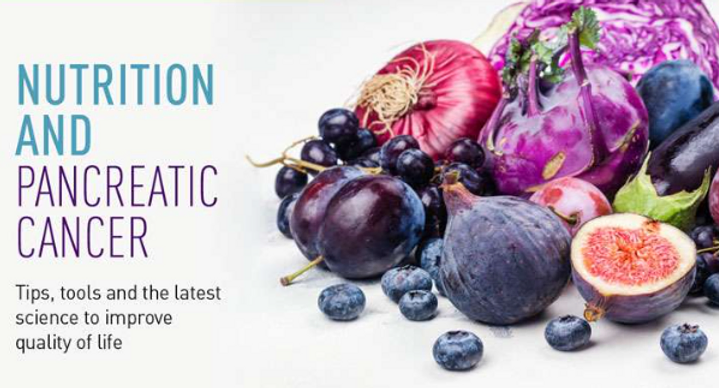
    Results: Fruits (particularly citrus) and vegetable consumption may be beneficial. The consumption of whole grains has been shown to reduce pancreatic cancer risk and fortification of whole grains with folate may confer further protection. Red meat, cooked at high temperatures, should be avoided, and replaced with poultry or fish. Total fat should be reduced.

    The use of curcumin and other flavonoids should be encouraged in the diet. There is no evidence for benefit from vitamin D supplementation. There may be benefit for dietary folate. Smoking and high Body Mass Index have both been inversely associated with pancreatic cancer risk.Conclusion: The lack of randomized trials and the presence of confounding factors including smoking status, physical activity, distance of habitat from the equator, obesity, and diabetes may often result in inconclusive results.

    There is evidence to encourage the use of whole grain in the staple diet and supplementation within the diet of folate, curcumin and other flavanoids. Carefully designed randomized trials are required to further elucidate these important matters. Pancreatic cancer is the fourth leading cause of cancerrelated death in men and women (1).

    Epidemiological studies show incidence of pancreatic cancer to be lowest to native Japanese and highest in New Zealand Maoris and female native Hawaiians (2). Prognosis is poor with 1-year survival rate of 25% and a 5-year survival rate of less than 5% (3).

    Resection remains the only way of providing a potential cure but unfortunately, more than 80% of patients will have distant metastases at the time of diagnosis (4).

    As there is no effective screening modality, the best way to reduce morbidity and mortality from pancreatic cancer is by effective primary prevention.

    Several modifiable and nonmodifiable risk factors have been identified such as age, sex, family history, history of chronic pancreatitis, diabetes, insulin resistance, obesity and cigarette smoking (3, 5-8). The role of diet in pancreatic carcinogenesis has also been extensively studied.

    There is an abundance of evidence in the literature on the role of nutrition in pancreatic carcinogenesis. Often the evidence is inconclusive due to confounding factors, such as smoking status, physical activity, distance of habitat from the equator, obesity, ABO blood group and diabetes.
    The lack of large randomized control trials makes it harder to establish causative associations for various nutrient types. In the current review, we set out to identify nutritional factors that might play a role in the development of pancreatic cancer (Table I).
    Fruit (particularly citrus) and vegetables may be beneficial. The consumption of whole grains has been shown to reduce pancreatic cancer risk. Fortification of whole grains with folate may confer further protection as increased intake of folate from food sources, but not from supplements, may be associated with reduced risk of pancreatic cancer.
    Red meat consumption should be avoided, especially when cooked at high temperatures, and it should be replaced with poultry or fish whenever possible. The use of polypohenols such as curcumin and flavonoids should be encouraged in the diet.
    There is no evidence for vitamin D supplementation. Alcohol consumption appears to be responsible only for a small fraction of all pancreatic cancers, especially in people who consume more units. Smoking can cause pancreatic cancer both directly and indirectly. Reduced physical activity and high body mass index have both been negatively-associated with pancreatic cancer risk. Further studies are needed to better clarify the interaction between dietary factors and pancreatic cancer.
    The results of therapy for pancreatic cancer are very poor and thus there is also an urgent need to understand the possible positive impact of nutrients e.g. curcumin in combination with other therapies.
    This also highlights the need for the development of novel agents that can influence the survival rates and quality of life for the patients. Randomized trials for supplements are recommended but difficult to design and perform because of confounding factors.
  • Genetic Factors and Pancreatic Cancer: Understanding Your Risk

    Genetic Factors and Pancreatic Cancer: Understanding Your Risk

    Is Pancreatic Cancer Hereditary?

    About 10% of pancreatic cancers are hereditary. This means that for every 10 people with pancreatic cancer, one likely has an inherited mutation that increased their risk for developing the disease. Mutations that happen during a person’s lifetime, rather than inherited mutations, cause most pancreatic cancers. These mutations cannot be passed from parent to child.
    But in some cases, mutated DNA passes from generation to generation. These are called germline mutations. These mutations may lead to hereditary pancreatic cancer. This is the only way pancreatic cancer is inherited.

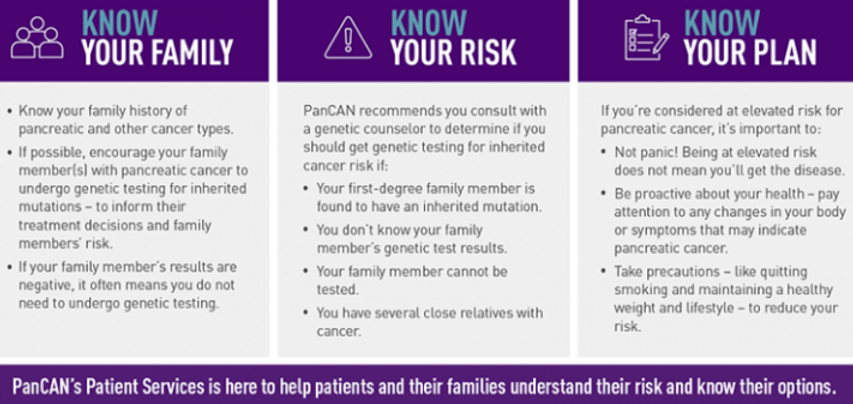
    Knowledge is power in the fight against pancreatic cancer.

    • Know your family.

    • Know your risk.

    • Know your plan.

    How Do You Know if Pancreatic Cancer in Your Family Is Hereditary?

    If you are a first-degree relative of someone diagnosed with pancreatic cancer, you may have an increased risk of developing pancreatic cancer. Your family member with pancreatic cancer is strongly recommended to undergo genetic testing for inherited mutations.

    • Negative results often mean you do not need to get genetic testing.

    • If the results are positive, unknown or if you have several close family members with cancer, the Pancreatic Cancer Action Network recommends you consult with a genetic counselor to determine if you should get genetic testing for inherited cancer risk and if you should discuss options for monitoring.

    The risk increases if more family members are affected with pancreatic cancer or other specific cancers or conditions, including:

    • Familial breast, ovarian or colon cancer

    • Familial melanoma

    • Hereditary pancreatitis: repeating pancreatic inflammation, generally starting by age 20

    • Inherited genetic syndromes associated with pancreatic cancer

  • Clinical Trials for Pancreatic Cancer: What Patients Need to Know

    Clinical Trials for Pancreatic Cancer: What Patients Need to Know

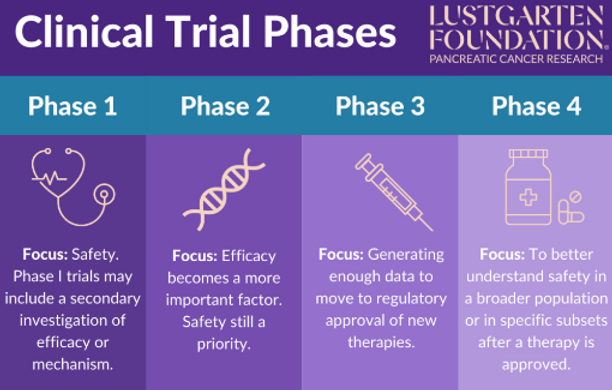
    Pancreatic cancer clinical trials are necessary to determine whether new treatments developed in the laboratory are beneficial to people living with pancreatic cancer.

    The Food and Drug Administration (FDA) reviews and analyzes data from successful clinical trials to determine whether an experimental treatment should be approved for a specific disease or disorder, such as pancreatic cancer.

    In the fight against pancreatic cancer, clinical trials often provide the best treatment options, and they give patients early access to cutting-edge treatments that can lead to progress in research, improved treatment options and better outcomes.

    Why are clinical trials important?

    Clinical trials for pancreatic cancer are important because they show us what treatments and care do and don’t work. They can also look at what may increase the risks of getting pancreatic cancer, how to prevent it and find better ways to diagnose it.

    Clinical trials for pancreatic cancer may include:
    finding ways to diagnose pancreatic cancer at an earlier stage
    finding better ways of giving existing treatments – for example, combining different chemotherapy drugs or giving drug combinations in different ways
    testing new treatments
    looking at ways to control the side effects of treatments
    looking at how best to provide care.

    Most pancreatic cancer trials are looking at different treatment options. They aim to find better treatments that can help people live longer and improve the quality of their daily life.

    Some trials also look at how people feel as a result of treatment, or what they think about the treatment they have had. The trial may call this patient reported outcome measures (PROMS) or patient reported experience measures (PREMS).